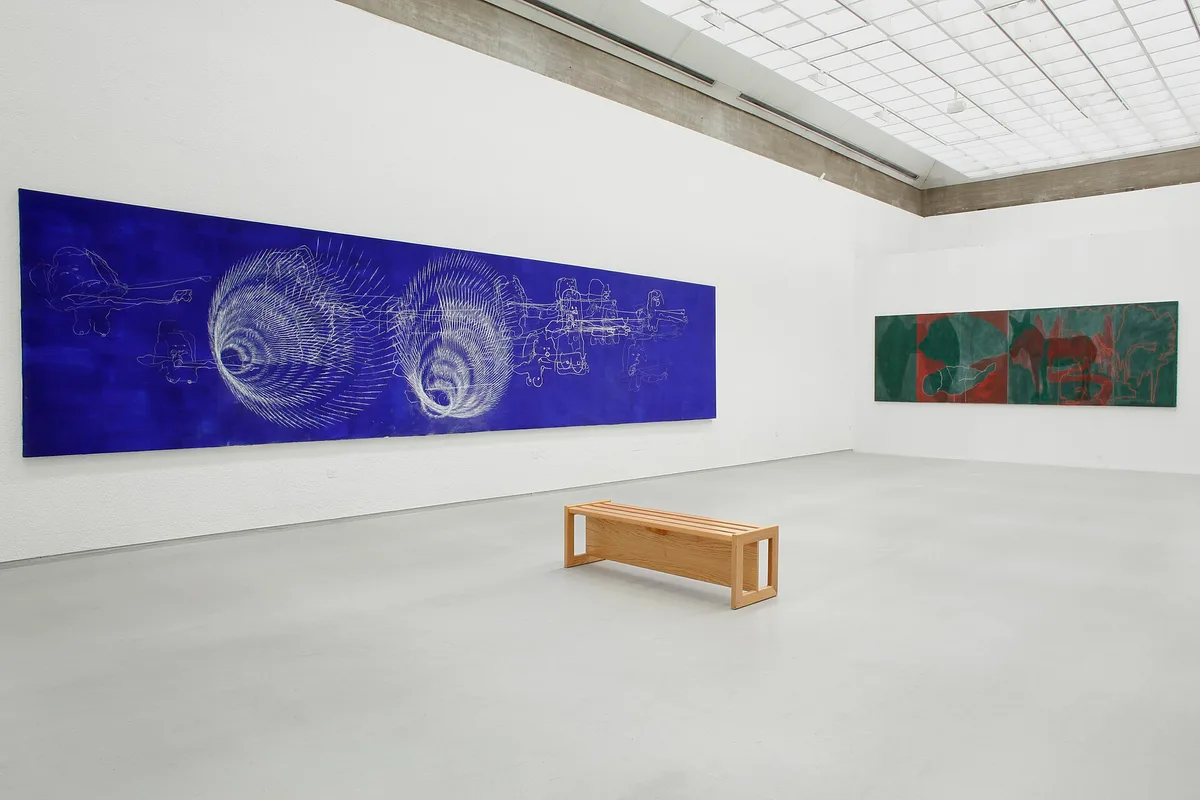
The Retrospective Verdict: Do Career Surveys Hold Up?
The retrospective is the highest-stakes show a museum can mount. Here is what separates a revelatory survey from a filler wall.
The retrospective is the highest-stakes show a museum can mount. Here is what separates a revelatory survey from a filler wall.
A seasonal island community built a durable art institution by running it the way a guild would: by its own artists, for its own artists.
A youth arts organization built on a simple wager—pay young artists real wages for real work—and why the model keeps spreading.
One line in a scholarly volume can fix how a whole career is read, taught and priced.

Boston's galleries cluster within a few walkable neighborhoods, and an afternoon of visits costs nothing but shoe leather.
Cheap square footage, commuter-rail access, and empty industrial buildings have turned Lynn into the region's working alternative to Boston's gallery scene.
Every gallery announcement is a sales document wearing a press badge. Here is what the plain-English version usually says.

The consignment agreement, not the wall label, is what determines who gets paid, when, and what happens to the money if a gallery goes under.

The crowds come for the haunted history. The collections worth the trip are older, quieter, and easier to see if you plan around the season.
A slow-looking framework for visitors who feel overwhelmed, or underwhelmed, by the standard gallery crawl.
Museums acquire through four documented channels — purchase, gift, bequest, and transfer — and the rules on what happens next, codified by the AAMD and AAM, are why deaccessioning makes headlines when it happens.
Behind every new painting on a museum wall sits a chain of curatorial recommendations, dollar-tiered approvals, and — when a museum sells instead of buys — an increasingly strict rule on where the proceeds can go.
A breakdown of the fee that decides what a winning bid actually costs, and what changed in Sotheby's 2026 schedule.
The Art Basel and UBS Art Market Report 2024 put 2023 global sales at $65 billion, down 4 percent — but the number the trade actually argued about was the 30 percent drop at the top of the market.
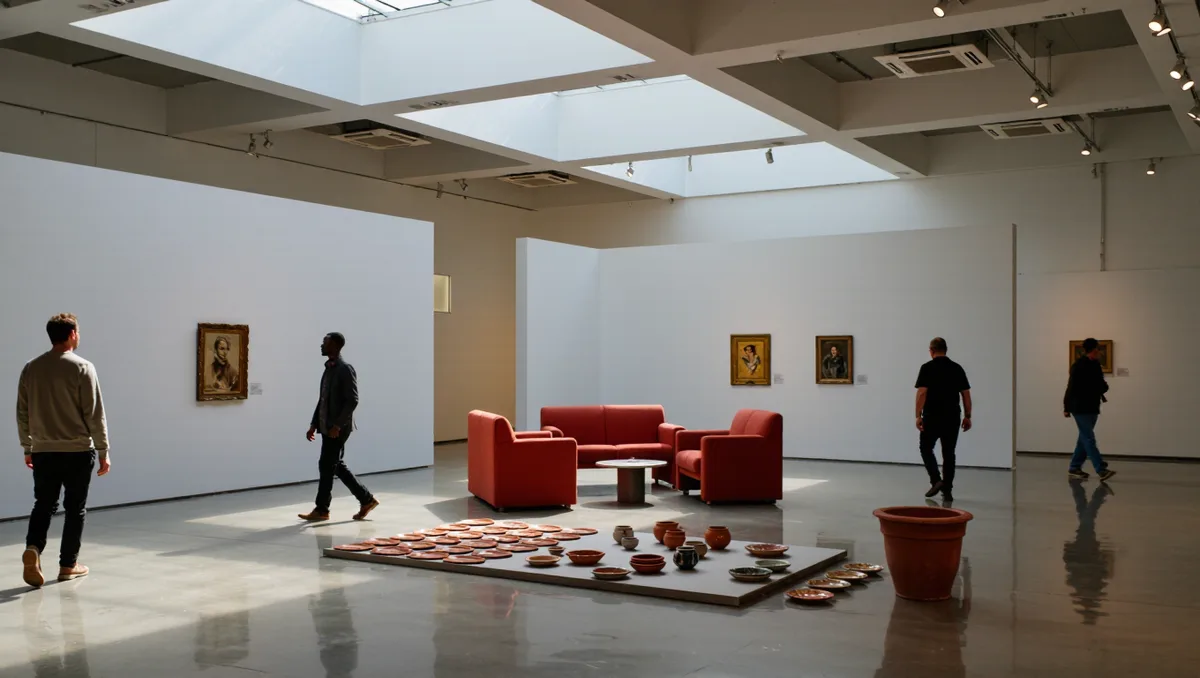
The hierarchy between useful objects and fine art was built by institutions, and it bends every time clay or thread gets museum walls.

The math, the history, and the deal structures behind who profits when an artist's career takes off, and why a growing number of artists no longer sign on with just one gallery.
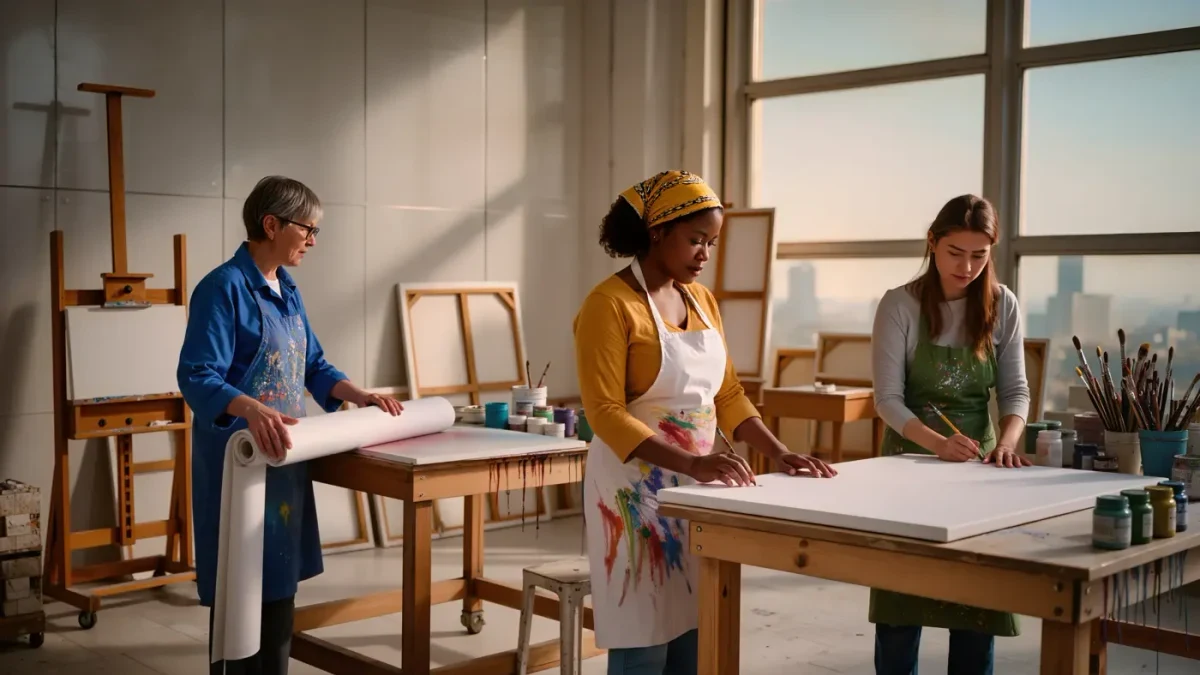
Women remain a single-digit share of global auction value, but museum acquisitions, dedicated funders and a reappraised historical canon are narrowing the gap faster than at any point since the 1970s.
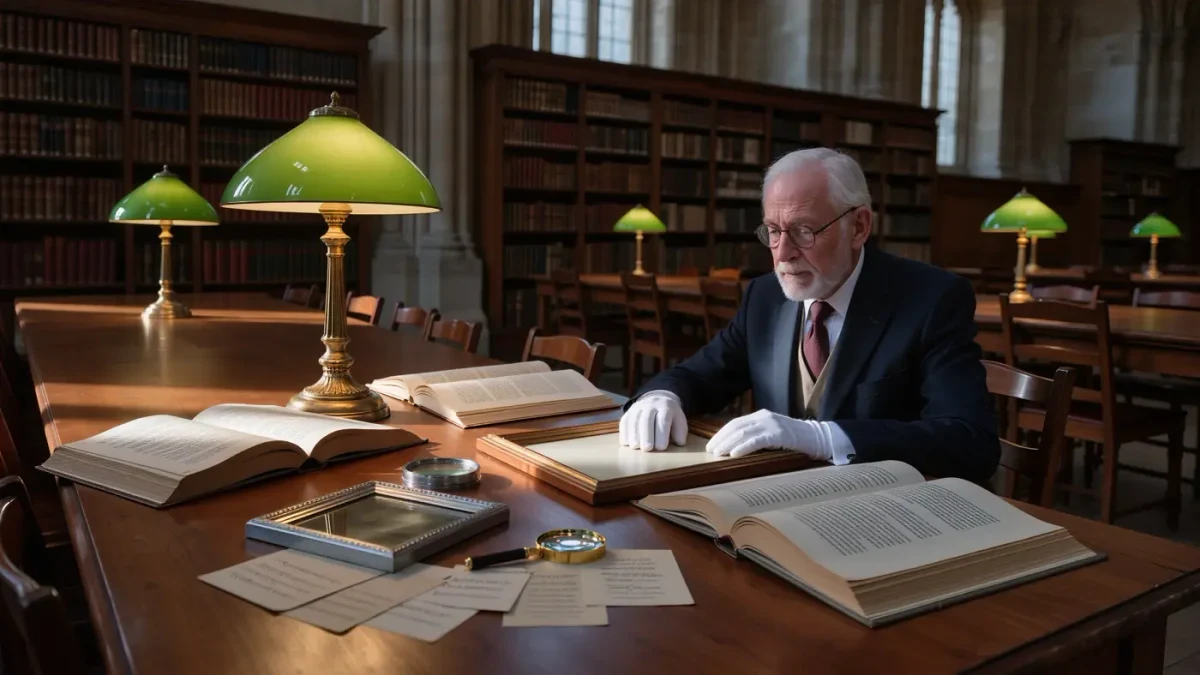
The catalogue raisonné is the art market's supreme court of authenticity — compiled by scholars and artist foundations over decades, and a single inclusion or exclusion can move a work's value by millions.
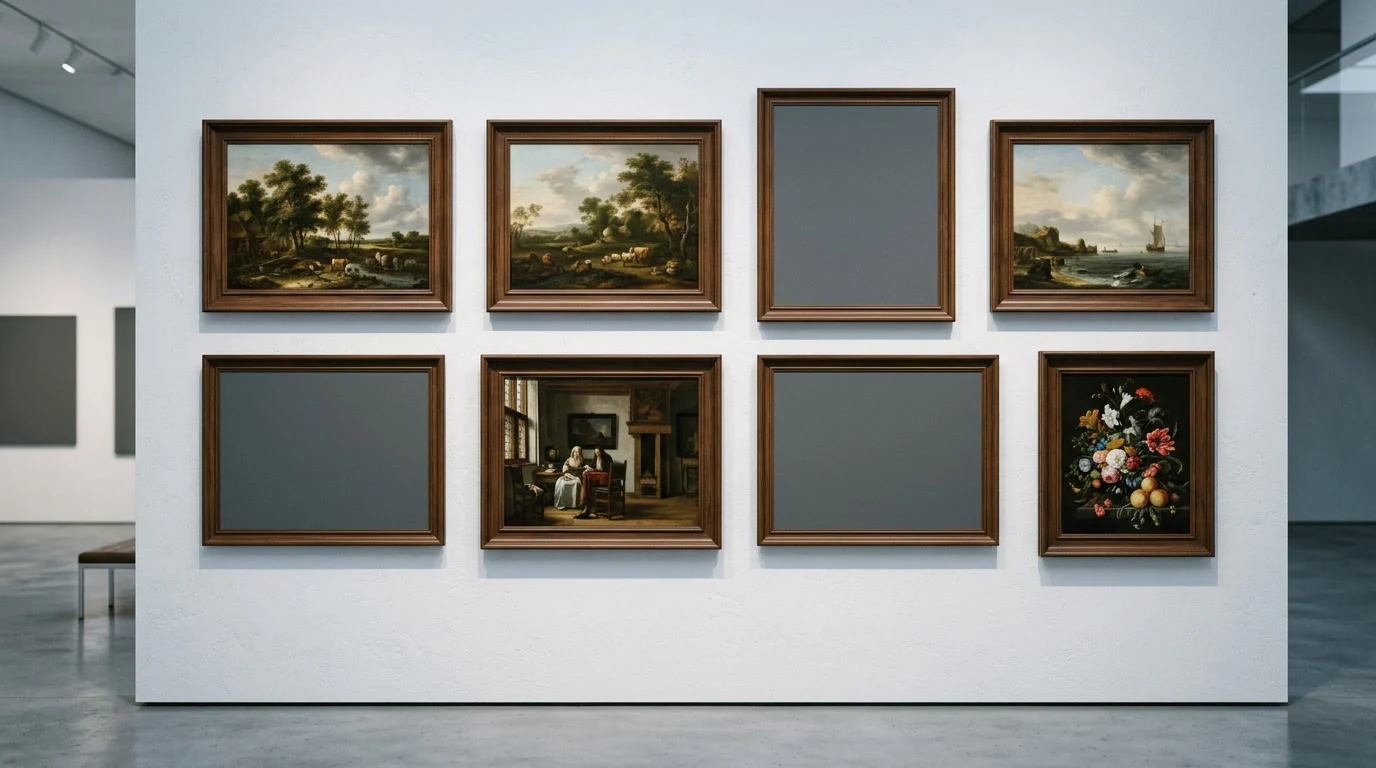
Museum open access programs have released millions of images for unrestricted reuse — all of them public domain. That single boundary decides which exhibitions reviews can actually illustrate.
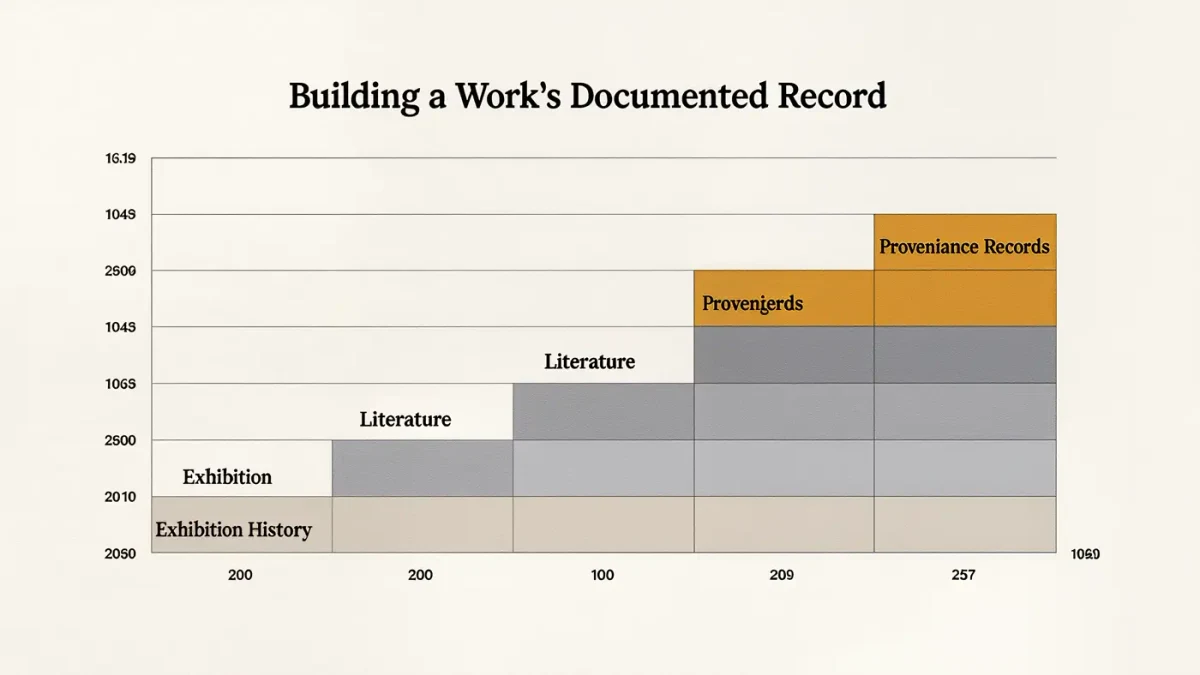
The exhibition catalogue is the paper infrastructure of value: the citations, reproductions and scholarly entries that turn a private object into a work with a public record, and a quiet asset class of its own.
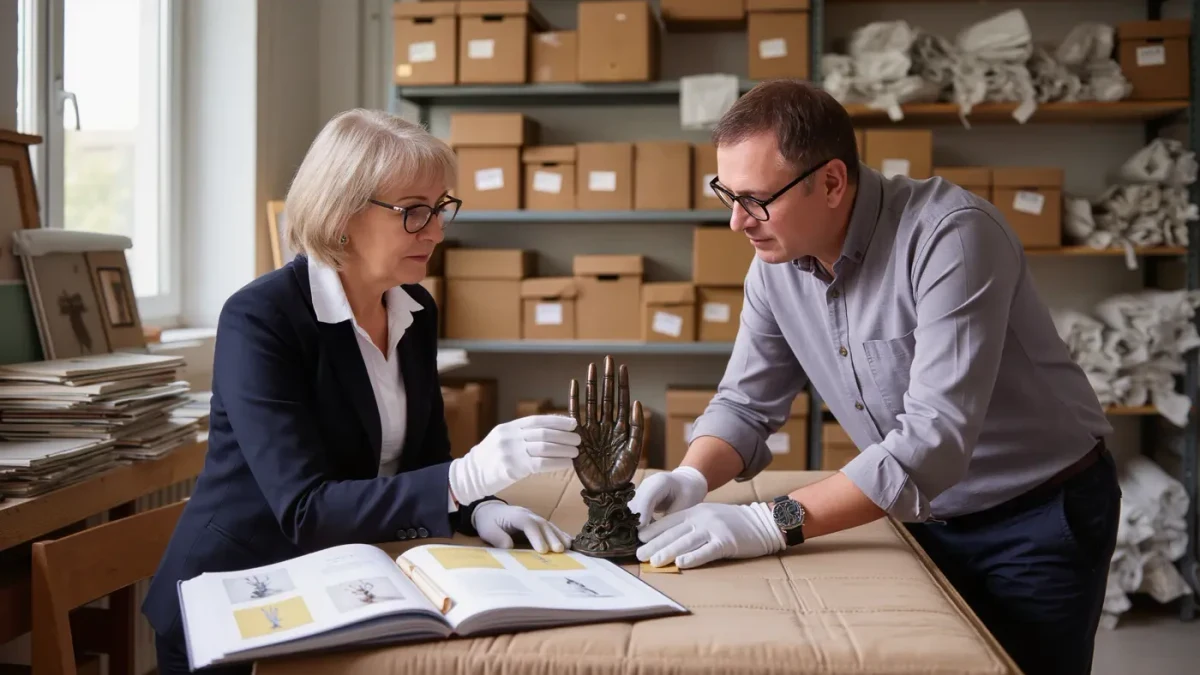
An appraisal is a defensible opinion of value prepared for a stated purpose — insurance, tax, estate or sale — and the number changes with the question, which is the fact that surprises collectors most.
Authentication is the market's least standardized process — a shifting combination of foundations, catalogue raisonné committees and litigation, in which a refusal to opine is often as informative as a certificate.
New spotlighting, logo and button-color tools arrive with iOS 27 — useful, modest, and gated at every turn.

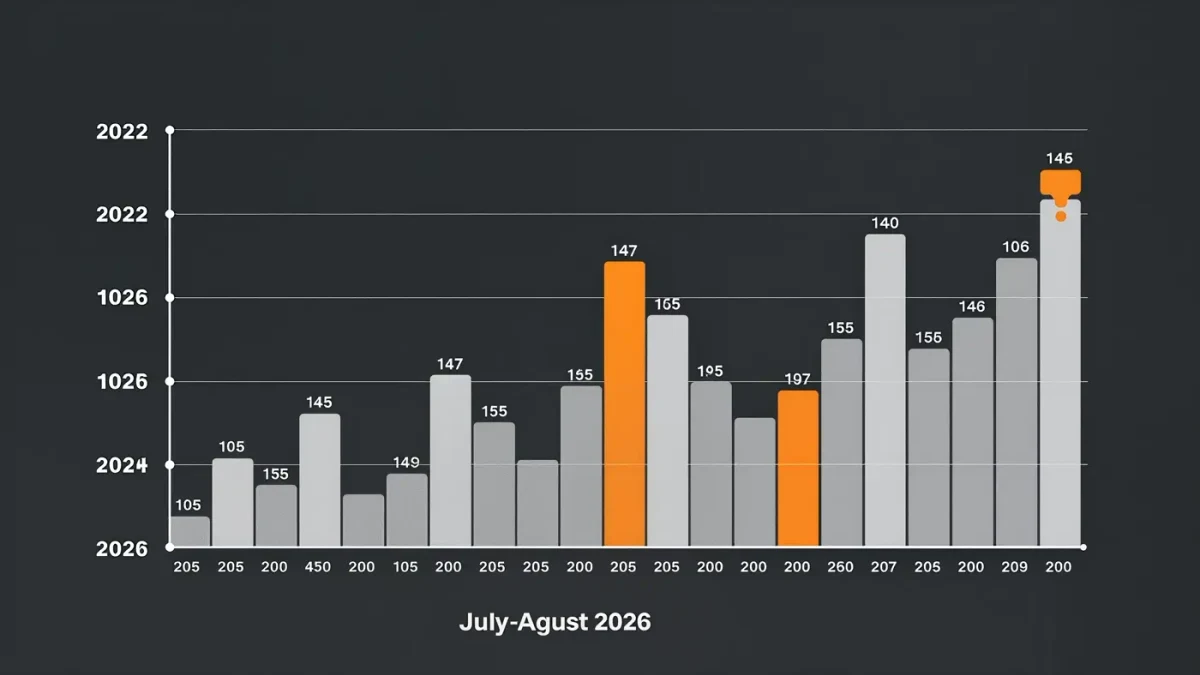
Between July and August 2026, several established New York and Los Angeles galleries announced closures or wind-downs — the visible edge of a dealer sector that auction headlines keep flattering.
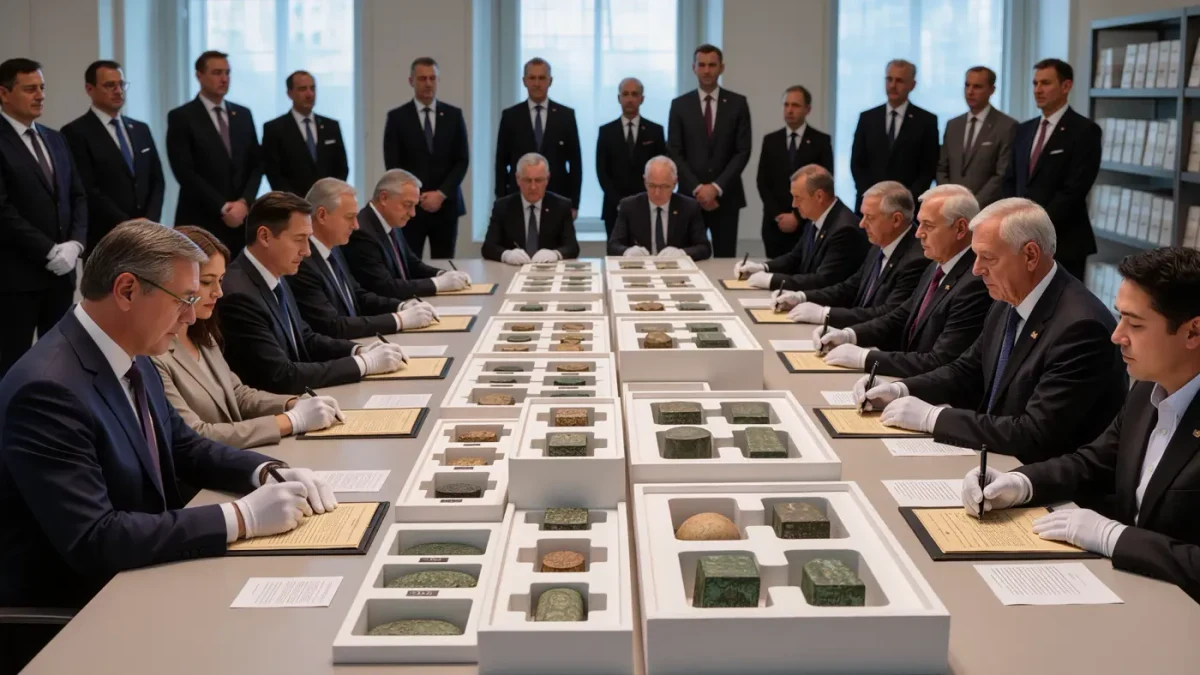
The May 2026 handover, valued near $14 million, caps an 18-month run in which the Antiquities Trafficking Unit has returned objects to India, Greece, Türkiye, Italy, Spain and Hungary.